May 20, 2026
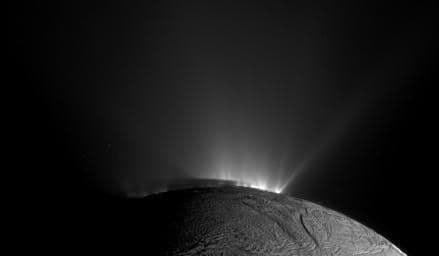
What is an ice volcano?
Volcanoes are one of the most fascinating geological features on Earth – but have you heard of ice volcanoes? Dr Heather Campbell explains how they form and where you can find them.

Welcome to the perfect place on the internet for people who always ask WHY - or the parents of these curious humans trying to google the answers to big universe questions while cooking dinner! Dive into our collection of questions where you can get answers written by scientists that take just minutes to read.

Volcanoes are one of the most fascinating geological features on Earth – but have you heard of ice volcanoes? Dr Heather Campbell explains how they form and where you can find them.

Short answer: There is no such thing! What we really mean is the hemisphere of the Moon facing away from the Earth. The far side of the Moon One side of the Moon permanently faces away from the Earth, the far side of the Moon. This is what people actually mean when they refer to […]

Why does the sky look blue on a clear day, but turn orange and red at sunset? It’s something we see all the time, yet there’s some fascinating physics behind it. In this blog, you’ll discover how sunlight is made up of different colours and how the atmosphere scatters light in different ways, creating the colours we see in the sky.

Symmetry is everywhere in nature, from the perfectly balanced wings of a butterfly to the repeating patterns of a flower. Laura Ash unravels the science behind these shapes.

This artist’s impression depicts a rapidly spinning supermassive black hole surrounded by an accretion disc. Credit: ESA/Hubble, ESO, M. Kornmesser https://www.nasa.gov/universe/what-are-black-holes/

This artist’s impression depicts a rapidly spinning supermassive black hole surrounded by an accretion disc. Credit: ESA/Hubble, ESO, M. Kornmesser https://www.nasa.gov/universe/what-are-black-holes/

Lightning may look like it flashes in a random zigzag, but there’s a scientific reason for its jagged path. Discover how tiny differences in the air guide each step of a lightning strike.

Artificial intelligence, or AI, is used in many things we interact with every day — from voice assistants to video recommendations. But how can a computer recognise patterns, answer questions, or create images? In this mini blog, we explore what AI really means and how computers learn from data to make predictions.
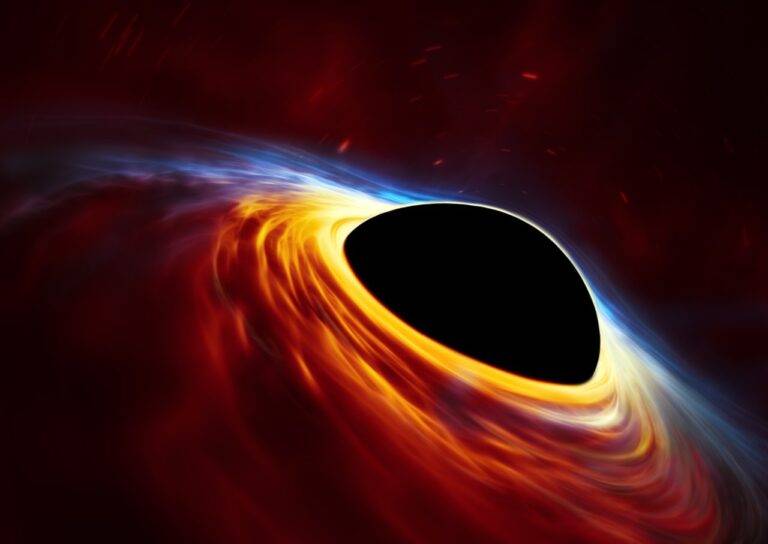
This artist’s impression depicts a rapidly spinning supermassive black hole surrounded by an accretion disc. Credit: ESA/Hubble, ESO, M. Kornmesser https://www.nasa.gov/universe/what-are-black-holes/
Website built and managed by Web X Design Studio