
What is the ‘dark side’ of the Moon?
Short answer: There is no such thing! What we really mean is the hemisphere of the Moon facing away from the Earth.
The far side of the Moon
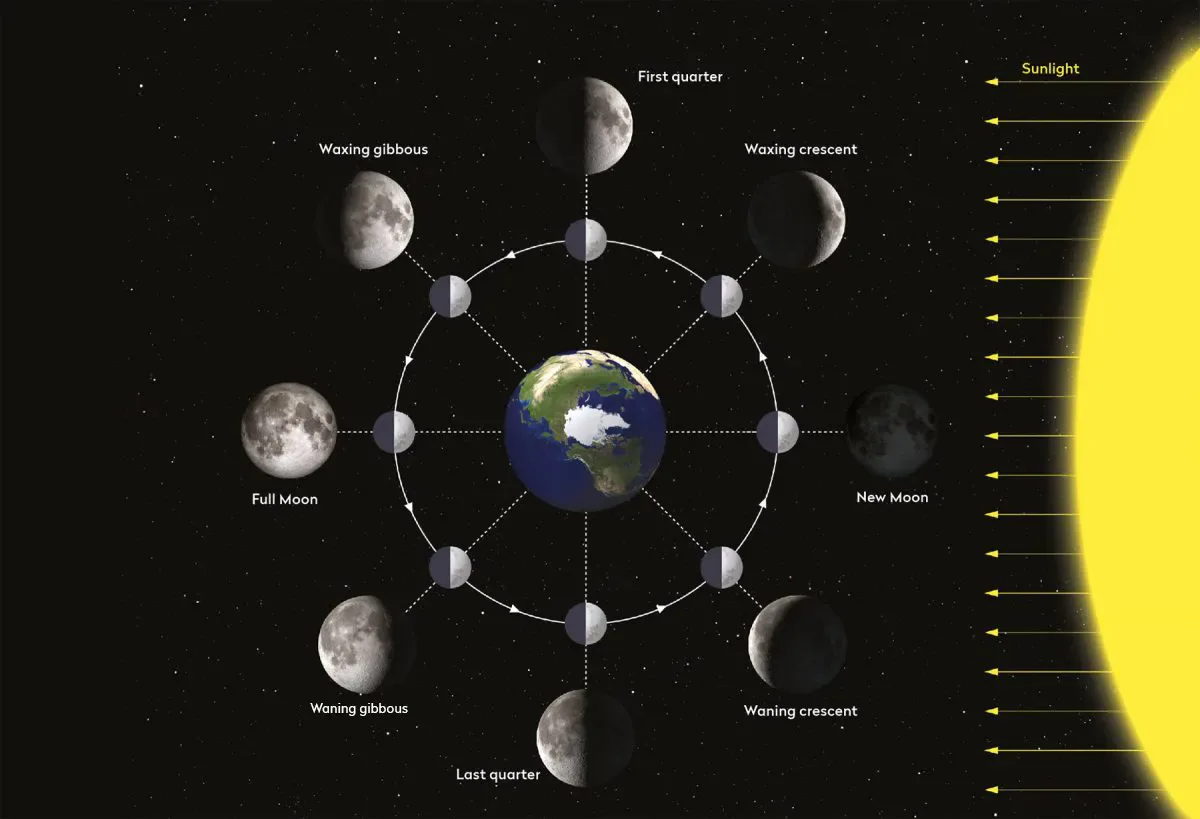
One side of the Moon permanently faces away from the Earth, the far side of the Moon. This is what people actually mean when they refer to the dark side of the Moon. It is not really any darker than the side of the Moon which faces the Earth. In fact, both sides of the Moon receive about equal amounts of sunlight over the year. We are just unable to see the other side of the Moon from Earth due to ‘Tidal Locking’.
What is Tidal locking?
The Moon has been orbiting the Earth for millions of years. During this time, the Earth and the Moon have been interacting gravitationally, and this interaction has altered the orbits and rotational speed.
The Earth is much larger, and has slowed the Moon’s rotation down until it has reached a balanced point. This is when the time for the Moon to rotate on its axis, 27.3 days, is equal to the time for the Moon to orbit around the Earth, also 27.3 days. Thus, the two bodies are ‘tidally locked’. This means that from Earth we always see the same side of the lunar surface. We never see the far or ‘dark’ side of the Moon. This can be seen in the animation below.
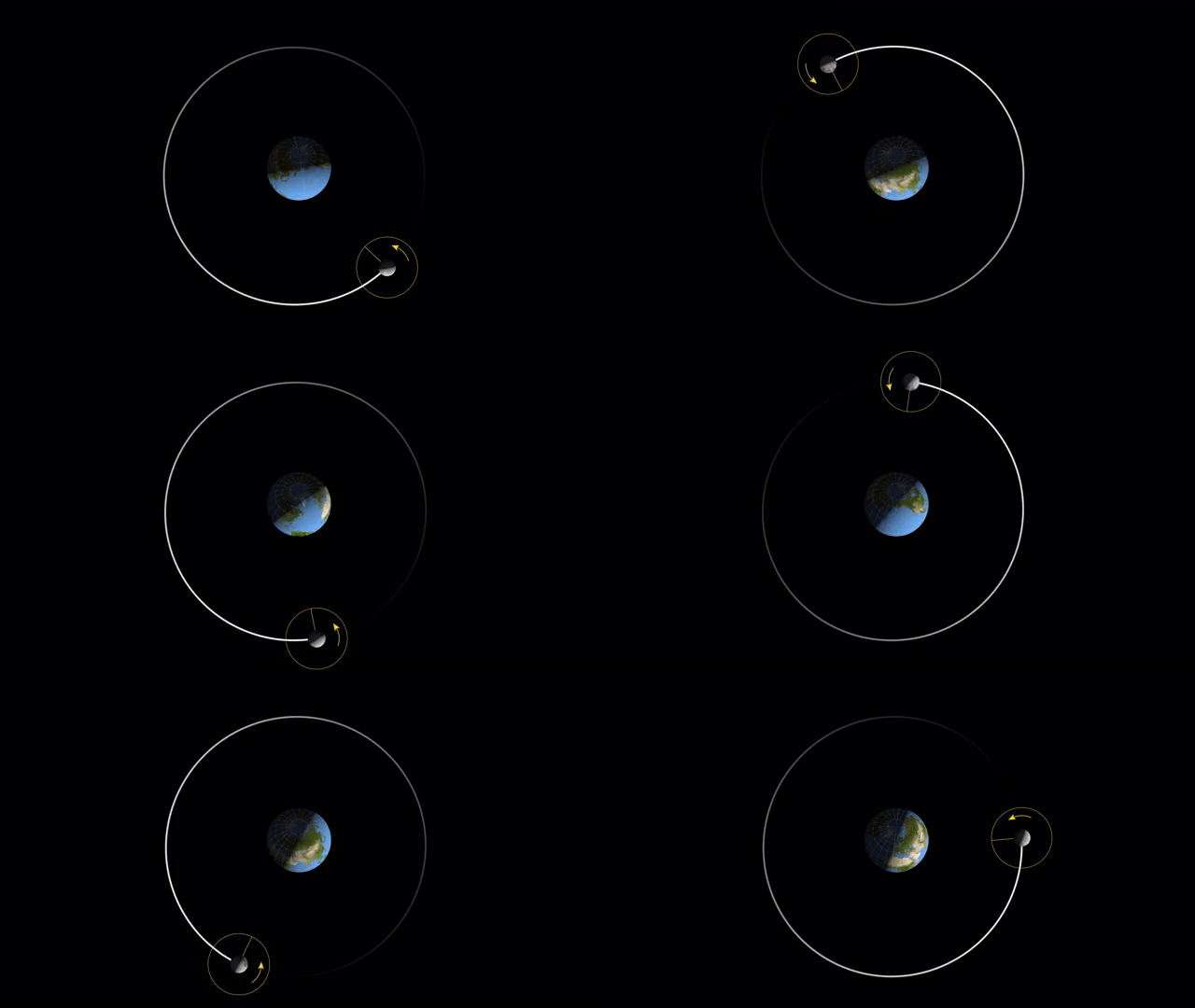
Tidal locking is common in our Solar System. Many moons around other planets are tidally locked to their planets, e.g. Mars’ moons Phobos and Deimos are tidally locked to Mars.
Libration
From Earth we actually see about 59% of the Moon’s surface over time. This is called libration. There are three factors which cause liberation, the Moon’s eccentric orbit around Earth, the slight tilt of the Moon’s rotation, and the viewing position from the Earth. These all mean that over time and overall the Moon is viewed from slightly different angles so collectively we see a little over half the lunar surface from Earth. The video below demonstrates our ‘wobbling’ view of the Moon over time.
Imaging the far side
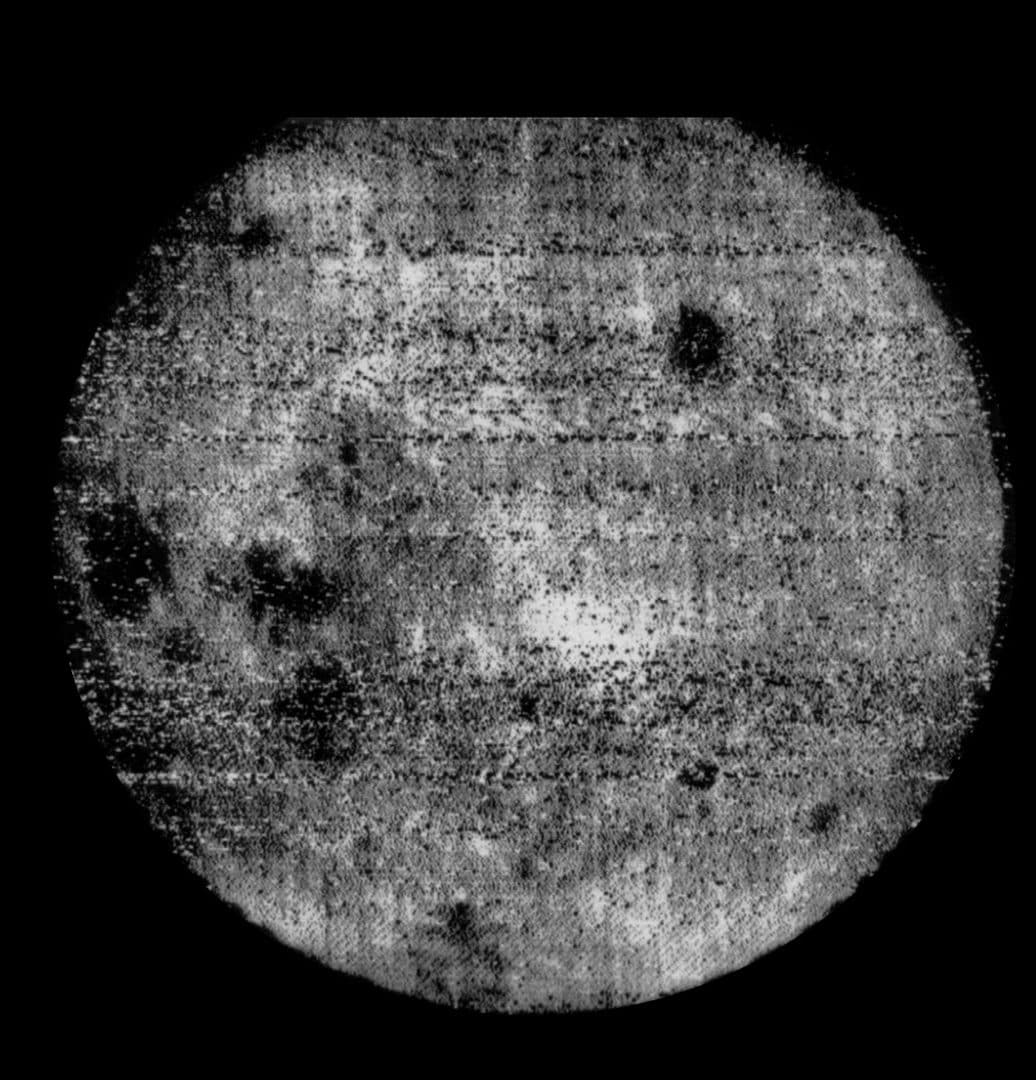
First images of the ‘dark side’ of the Moon were taken by the Soviet Luna 3 spacecraft, in 1959. This was the first time the far side of the Moon had ever been seen.
More recently two Chinese missions have landed on the far side of the Moon; Chang-e 4 in 2019 and Chang-e 6 in 2024.
Excitingly this year Artemis II travelled around the Moon and took some amazing images of the far side of the moon. More info about this successful mission which took humans back to the Moon after 50 years can be found in my blog on our Astronomy Department site, Mission Astro.
Conclusion
- The ‘dark’ side of the Moon is really the far side.
- We only ever see one side of the Moon because of tidal locking.
- We see about 59% of the Moon because of lunar libration.
Fun facts about the far side of the Moon
- It wasn’t imaged until 1959.
- This year is the first time humans have seen it with their own eyes.
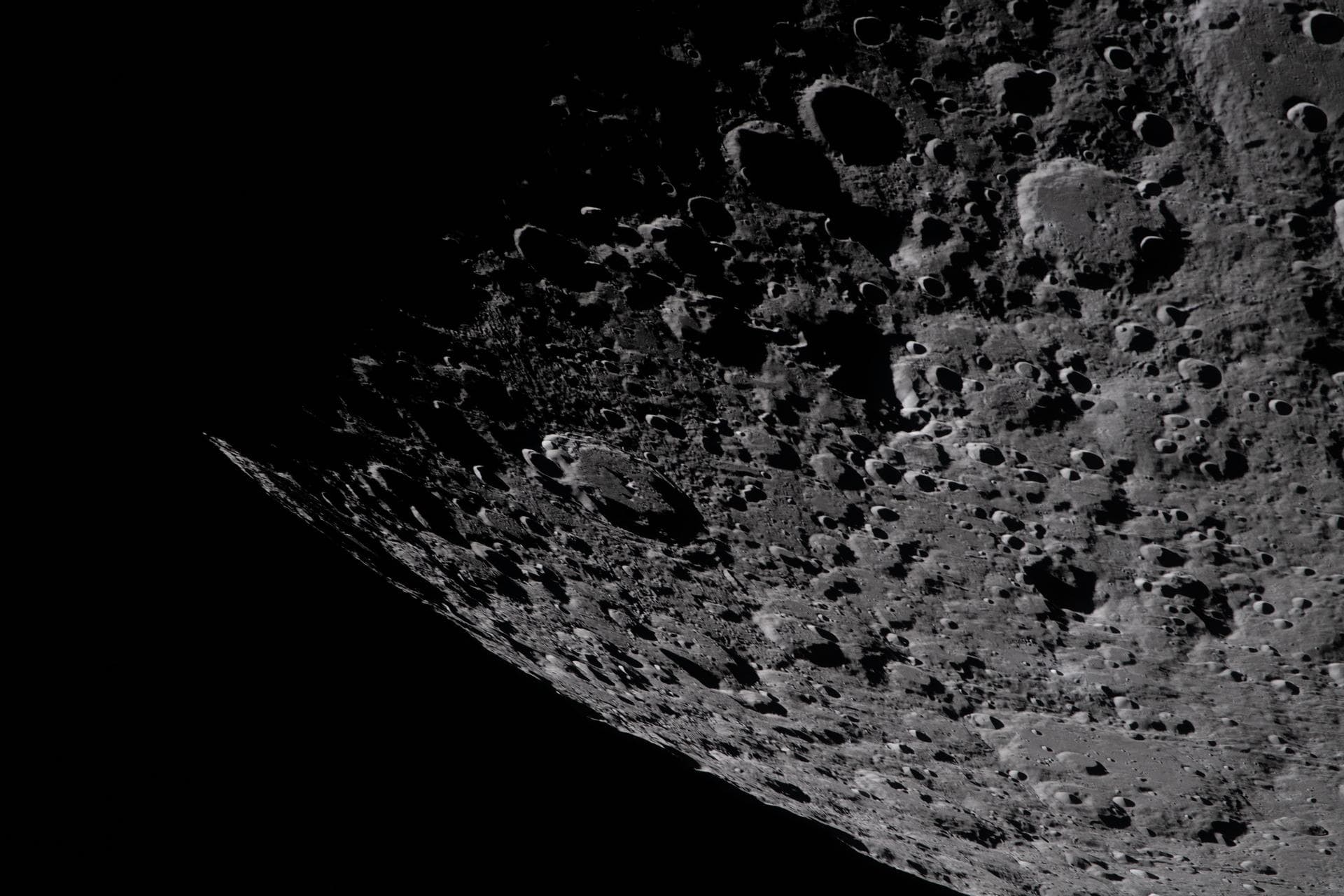
- It’s much more cratered than the side facing the Earth.
Written by Dr Heather Campbell for Just Good Science Ltd.